

Daftar Isi
Understanding Table Games
Table games have long been a staple in the gaming world, providing a unique experience that combines skill, chance, and a social atmosphere. These games typically include classics such as blackjack, poker, and roulette, each requiring players to engage mentally and strategically with the game. The tactile nature of handling cards or chips, along with the interaction with dealers and fellow players, creates an immersive environment that digital platforms often struggle to replicate. For instance, when visiting a casino, many enjoy the excitement of various offerings, including the rocket game casino , which adds an extra layer of thrill to the overall experience. The physicality of these games contributes to a more engaging experience, allowing players to feel the weight of their decisions in real-time.
Moreover, table games are often governed by specific rules and procedures that enhance the overall gaming experience. For instance, in poker, players must not only understand the game mechanics but also read their opponents, making decisions based on both mathematical probabilities and psychology. This dynamic interaction is what appeals to many players, as it adds layers of complexity that can lead to significant rewards, both monetary and social. In contrast, electronic games often operate on fixed algorithms, limiting the depth of engagement players can experience.
Another defining characteristic of table games is the presence of live dealers. In a physical casino, a professional dealer facilitates the game, ensuring the rules are followed and engaging with players. This interaction provides a sense of trust and authenticity, as players can see the cards being dealt and the chips being handled in real-time. Such an experience fosters a community atmosphere, where players can celebrate wins and commiserate losses together, a stark contrast to the isolated nature of many electronic gaming options. The communal aspect of table games can create lasting memories that resonate with players long after the game has ended.
The Appeal of Electronic Gaming
Electronic gaming offers a different kind of excitement, often driven by technology and speed. With the rise of online casinos, players can access a vast array of games from the comfort of their homes. Electronic options include video slots, digital poker, and various virtual table games, all designed to appeal to diverse player preferences. The convenience of playing on a mobile device or computer eliminates the need for travel and allows for gaming at any time, making it an attractive choice for many. This level of accessibility has expanded the gaming audience, catering to both casual players and dedicated gamers alike.
One of the main advantages of electronic gaming is its ability to provide instant results. With the click of a button, players can spin a slot or deal a hand, experiencing rapid gameplay that can lead to quick wins or losses. This speed appeals to those who prefer a more dynamic, less socially-driven experience. Additionally, many electronic games include bonus features, free spins, and progressive jackpots, enhancing the potential for larger payouts and adding excitement to the gameplay. The thrill of immediate gratification can be particularly enticing for players looking for a quick adrenaline rush.
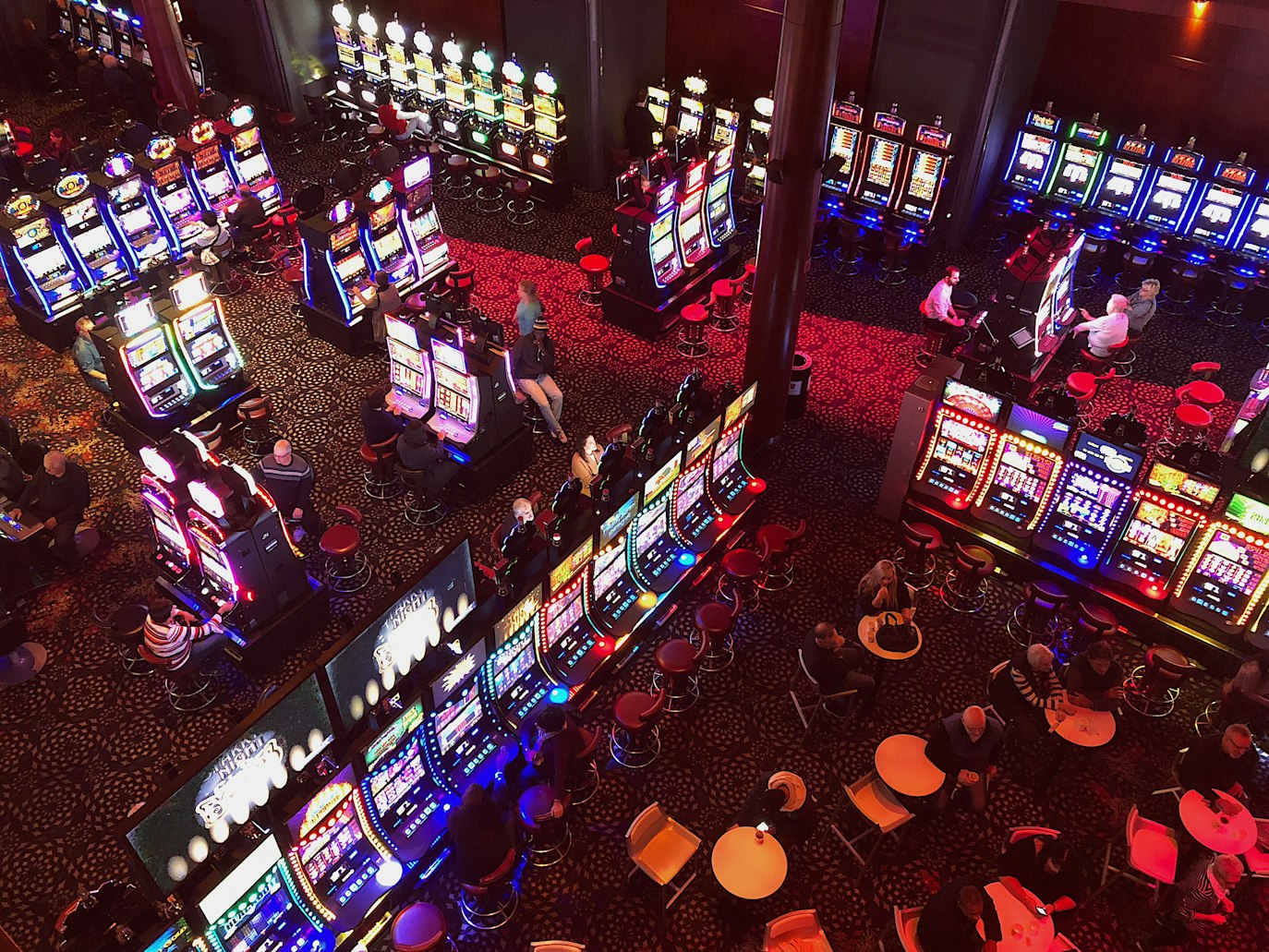
However, despite the convenience and quick rewards offered by electronic options, they often lack the human interaction that defines table games. The absence of a physical dealer and live players can create a sense of disconnection. This difference in experience can affect how players perceive their wins and losses, as there is no shared celebration or consolation among peers. Electronic gaming can sometimes feel solitary, which may deter individuals looking for a more engaging and social environment. The emotional experience of gaming is often amplified in table games, where camaraderie and shared experiences are a vital part of the fun.
Skill vs. Chance in Table Games
Table games generally place a significant emphasis on skill and strategy, which can be appealing to individuals who enjoy mental challenges. Games like poker require players to develop strategies based on their skills, knowledge of odds, and psychological insights into their opponents. This element of skill creates a sense of achievement and satisfaction when players win, as they know their decisions directly influenced the outcome of the game. The intellectual rigor involved in mastering these games often draws a dedicated player base who relish the opportunity to apply their knowledge and skills.
In contrast, while electronic games do have elements of chance, such as random number generators used in slots, they do not typically allow for the same level of strategic depth. Many electronic games are designed to be played repetitively, focusing on immediate results rather than long-term skill development. This difference can influence the types of players who are attracted to each format, with skilled players often gravitating towards table games to leverage their expertise in a competitive environment. The thrill of competing against other skilled players adds to the allure of table games, as every decision can significantly impact the outcome.
The distinction in skill requirements also affects how players approach each type of game. Those who favor table games often engage in long-term play, honing their skills over time and learning from their experiences. This process not only enhances their gaming proficiency but also fosters a deeper appreciation for the game itself. The journey of becoming a better player is an integral part of the enjoyment for many, adding layers of meaning to their gaming experiences that electronic options may not provide. The ability to analyze past performances and improve is a vital factor that keeps players returning to the tables.
Social Interaction in Gaming
Social interaction is perhaps one of the most significant distinctions between table games and electronic options. In a traditional casino setting, players gather around tables, sharing their experiences and strategies, which creates a vibrant social atmosphere. This interaction is a key component of the gaming experience, as players can engage in conversation, build camaraderie, and even forge friendships based on shared interests in the games they love. The social dynamic present at table games often leads to a more enjoyable and memorable experience, as players connect over their shared passion.

Table games encourage players to engage with one another and with the dealer, leading to exchanges that can enhance the enjoyment of the game. For instance, players often celebrate each other’s wins, offer advice, or even engage in friendly banter during the game. This shared experience can make the gaming session memorable, as it becomes less about the outcome and more about the journey shared with others. Electronic gaming, on the other hand, tends to isolate players, reducing the social aspects that many find rewarding. The absence of these interactions can make electronic gaming feel less fulfilling for those who thrive on social connections.
Furthermore, some table games, like poker, are designed to foster competition among players, adding an extra layer of social complexity. Each player’s decisions affect others at the table, creating a dynamic interplay of tactics and strategies. These interactions can elevate the thrill of the game, making each session unique. While electronic versions of these games may attempt to simulate this interaction, they often fall short in capturing the raw human emotions that arise in face-to-face competition. The nuances of reading body language and engaging in psychological tactics are aspects of table games that are difficult to replicate in a digital format.
Exploring Our Gaming Options
As we navigate the world of gaming, it’s important to explore both table games and electronic options to determine which suits our preferences best. Each offers unique experiences that cater to different aspects of gaming enjoyment. From the strategic depth and social interaction of table games to the convenience and speed of electronic options, players have the freedom to choose their preferred style of play. The variety available ensures that there is something for everyone, regardless of their gaming goals. Understanding these distinctions can help players make informed choices that enhance their overall gaming experience.
Our platform emphasizes the importance of understanding these distinctions, enabling players to make informed choices that align with their interests. By providing comprehensive insights into both types of gaming, we aim to create an engaging environment where players can thrive and enjoy their gaming experiences to the fullest. Whether you find yourself captivated by the strategy involved in table games or the fast-paced nature of electronic options, we endeavor to cater to all types of players. This commitment to inclusivity allows us to support a diverse gaming community.
Ultimately, the choice between table games and electronic options reflects personal preferences and gaming styles. Our website offers a plethora of resources and information to help players discover what resonates with them. We invite everyone to explore and enjoy the rich tapestry of gaming experiences available, ensuring that each choice enhances their enjoyment and satisfaction in the world of gaming. With our focus on player engagement and education, we strive to be a valuable resource for all gaming enthusiasts.